Browse our articles, insights and guides.

Browse our articles, insights and guides.

12 June 2026
The importance of early advice: GQA Qualifications Ltd v Clayton
Contributor: Alec Fair
What can directors lawfully do if they feel that other directors and shareholders are not acting in the company’s best interests?

11 June 2026
Contributor: Alec Fair
Liquidators are entitled to request certain documents that might be relevant to their work and the liquidation, but how much is too much?

10 June 2026
Contributor: Alec Fair
In a challenge to a CVA, the Court of Session took a new approach to assessing whether it was unfairly prejudicial to certain creditors.

9 June 2026
Removing travellers from land in Scotland
Contributor: Ross Simpson
There are two key approaches to removing unauthorised, and sometimes unidentified, travellers on Scottish land.
9 June 2026
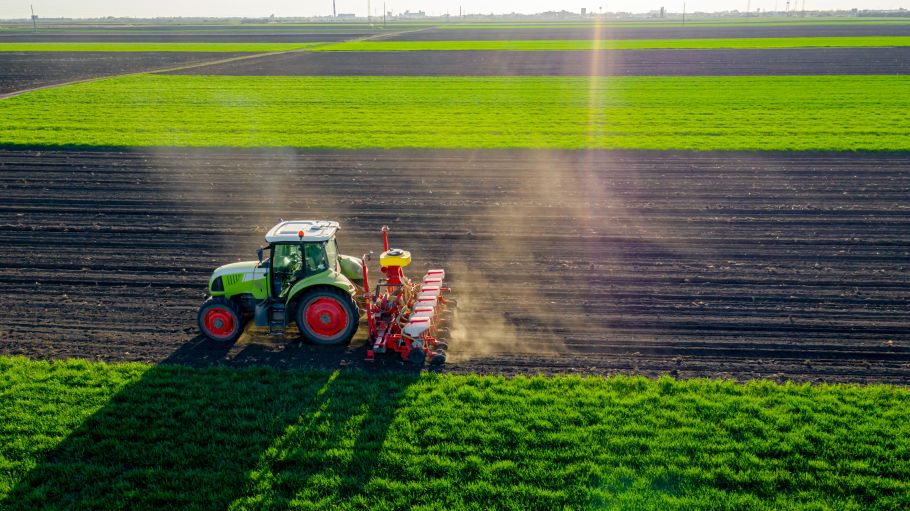
Assessing and managing health and safety risks in the agricultural sector
Contributors:
Kevin Clancy, Killian Dockrell
What steps can landowners and employers take to identify and reduce risk?

9 June 2026
Cruel Summer: When the sounds of summer lead to legal action
Contributors:
Stephanie Hepburn, Ross Simpson
As everyone heads outside to enjoy the sun, you are more likely to hear your neighbours. But at what point could you make a legal claim under the law of nuisance?

9 June 2026
Water, water everywhere? Riparian rights in Scotland
Contributor: Gina Johnston
Even though Scotland has high rainfall, water shortages in summer can lead to disputes over private water rights – known in Scotland as riparian rights.

5 June 2026
The right to roam: Know your rights and responsibilities
Contributors:
Emma De Sailly, Stephanie Hepburn, Hamish Lean
The right of responsible access (colloquially referred to as the “right to roam”) has led to many questions for both landowners and the general public. We outline the key rights and responsibilities for both below so that you can understand what yours may be.

4 June 2026
Right to roam – Wild camping legal rights in Scotland
Contributor: Stephanie Hepburn
What do landowners need to know about the public’s right of responsible access, commonly known as the right to roam?

4 June 2026
Resolving rural disputes: Open water and occupiers’ liability
Contributor: Stephanie Hepburn
As wild swimming continues to enjoy a surge in popularity, our rural disputes experts look at the duties owed by landowners and occupiers to members of the public accessing open water on their land.

26 May 2026
The ‘hottest topic’ in workplace health and safety
Contributor: Kevin Clancy
Employers are legally required to ensure that their indoor workplaces have a ‘reasonable’ temperature. But what does this mean exactly, and what actions should be taken?

22 May 2026
Payment reforms: Department for Business and Trade announces new legislation to tackle late payment
Contributor: Leigh Herd
The Department for Business and Trade has confirmed it will introduce new legislation to tackle late payments. The proposals represent the most significant shift in payment legislation in over 25 years, focusing on strengthening the powers of the Small Business Commissioner and mandating stricter payment terms.

21 May 2026
Dealing with data protection complaints
Contributors:
Joanna Boag-Thomson, Joseph Fitzgibbon
As of 19 June 2026, organisations will be required to have a procedure in place for dealing with data protection complaints. Our helpful overview explains what this change will mean in practice.

19 May 2026
Crest Nicholson v Ardmore has expanded the reach of Building Liability Orders
Contributors:
Iain Drummond, Alejandro Coghill
The Building Safety Act 2022 (or BSA) significantly changed the UK’s buildings safety regime. One of its many innovations was the introduction of Building Liability Orders (BLOs), which allow courts, in some circumstances, to extend liability for safety defects from one company to another associated one. BLOs have only been the subject of litigation twice […]
18 May 2026
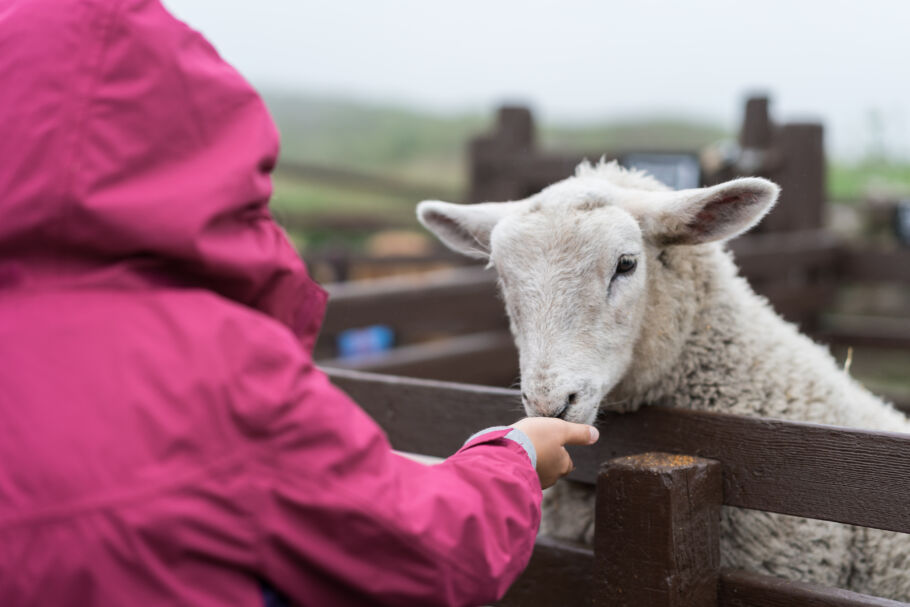
Expanding a rural business can increase health and safety risks
Contributors:
Shona Lean, Killian Dockrell
Rural landowners whose businesses are open to the public need to take appropriate steps to ensure their customers’ health and safety.

15 May 2026
Recovering crypto assets – Scotland and England compared
Contributor: John MacKenzie
How do the rights of cryptocurrency owners differ in Scotland and England?

12 May 2026
Offshore wind consenting: the case for certainty on timescales
Contributors:
Colin Innes, Emma Reid
The potential benefits of fixed consenting timescales for offshore wind.

11 May 2026
Illiquidx v Altana Wealth: Information can be both confidential and public-domain
Contributor: John MacKenzie
This High Court decision highlights that confidential information may remain protected even where some of its underlying elements are in the public domain.

8 May 2026
A quick guide to new data protection complaints procedures for pension schemes
Contributor: Sarah Grant
The Data (Use and Access) Act 2025 introduces a new requirement for data controllers to implement a data protection complaints procedure – and the deadline to do so is 19 June this year. For trustees, this is primarily about ensuring that members have a clear route to raise concerns about how their personal data is […]

7 May 2026
Turbulent times for onshore wind in Scotland
Contributor: Lynsey Reid
Onshore wind projects face a number of challenges during the consenting process which threaten to blow onshore wind off course. With onshore wind central to Scotland’s renewable energy ambitions, what needs to be done to meet the 20GW target of installed onshore wind capacity in Scotland by 2030?

6 May 2026
Martyn’s law: What the new Home Office guidance means for events and venues
Contributor: Killian Dockrell
The new Terrorism (Protection of Premises) Act 2025 (also known as Martyn’s Law) will have implications for many events and premises, especially those that can host more than 800 people.

1 May 2026
Fighting back: New byelaws aim to prevent dangerous wildfires
Contributor: Shona Lean
The Cairngorms National Park has introduced new byelaws to tackle the increasing problem of wildfires.

30 April 2026
The expanding role of Government funded investors in the UK’s clean energy transition
Contributor: Graham Young
As parts of the financial sector hesitate on certain riskier net-zero projects, a new generation of state-backed financiers is stepping in and reshaping how the UK’s energy transition gets built.

30 April 2026
Wrongmove? Private landlords may have to accept reduced eviction options
Contributor: Ross Simpson
The Housing (Scotland) Act 2025 gives the Scottish Government the power to convert existing assured tenancies into a different form – without landlords’ consent.